Clear artwork. Controlled versions.
Give the product name, strength, batch information and supporting print a defined place. Work from client-approved artwork and distinguish similar variants when changing versions and packing.

01 / Healthcare cartons
Paper cartons for medicines and medical supplies, with accompanying printed information. Connect artwork, carton structure, coding and code checks around your packaging and traceability requirements.
01 / THE CONTEXT
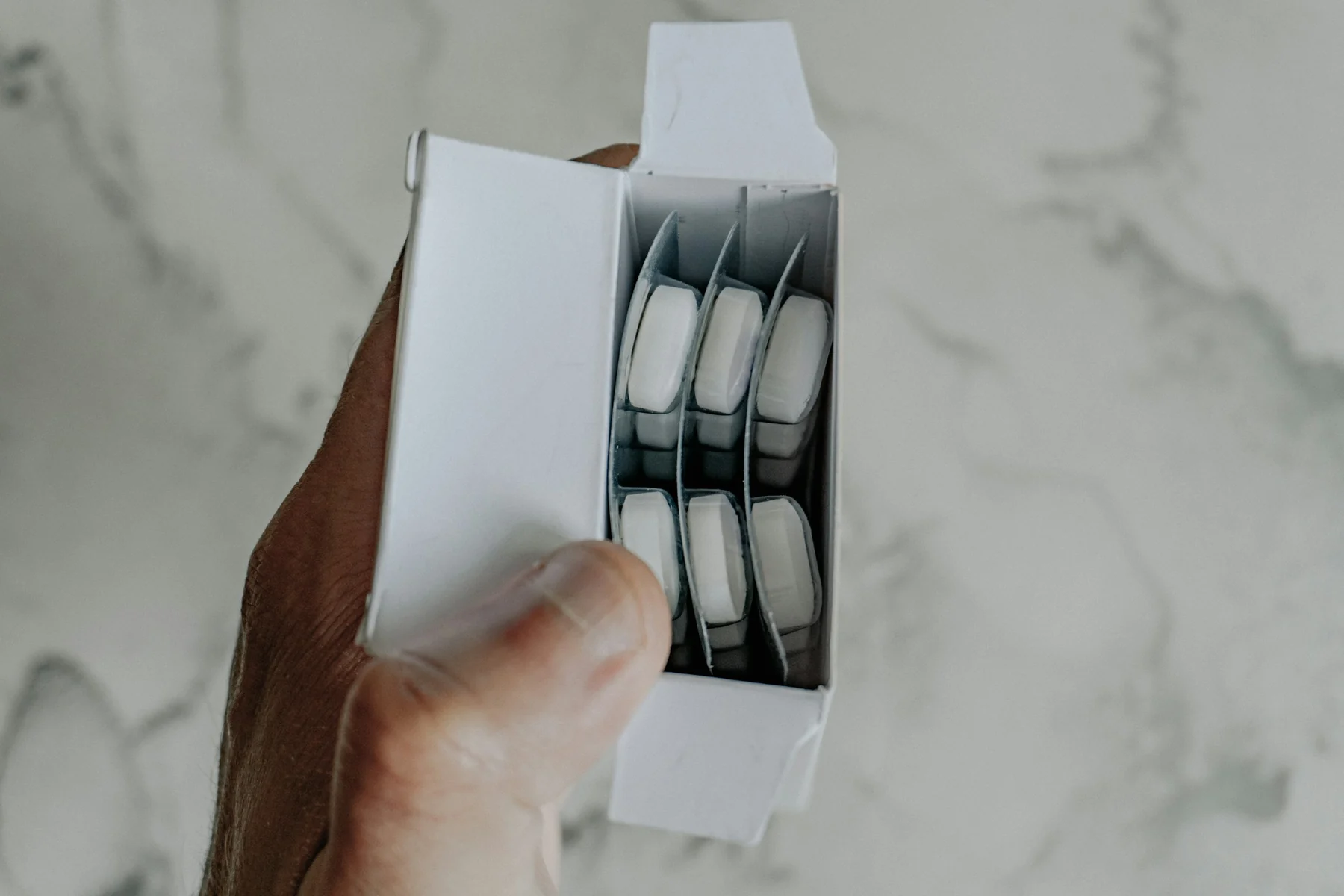
A medicine carton needs to fit its contents and make the product name, strength and key information easy to read. For traceability coding, content, placement and scanning conditions belong in the prepress brief, so the information and carton work together.
Give the product name, strength, batch information and supporting print a defined place. Work from client-approved artwork and distinguish similar variants when changing versions and packing.
Agree on coding rules, size and placement at prepress. Consider contrast, quiet zones and scanning conditions alongside the paper surface and finish.
Review folds, glue areas, tuck flaps and leaflet space against the existing inner pack or medical product. Check loading and removal in the sample and align with downstream packing.
02 / MATERIAL. STRUCTURE. PRINT.
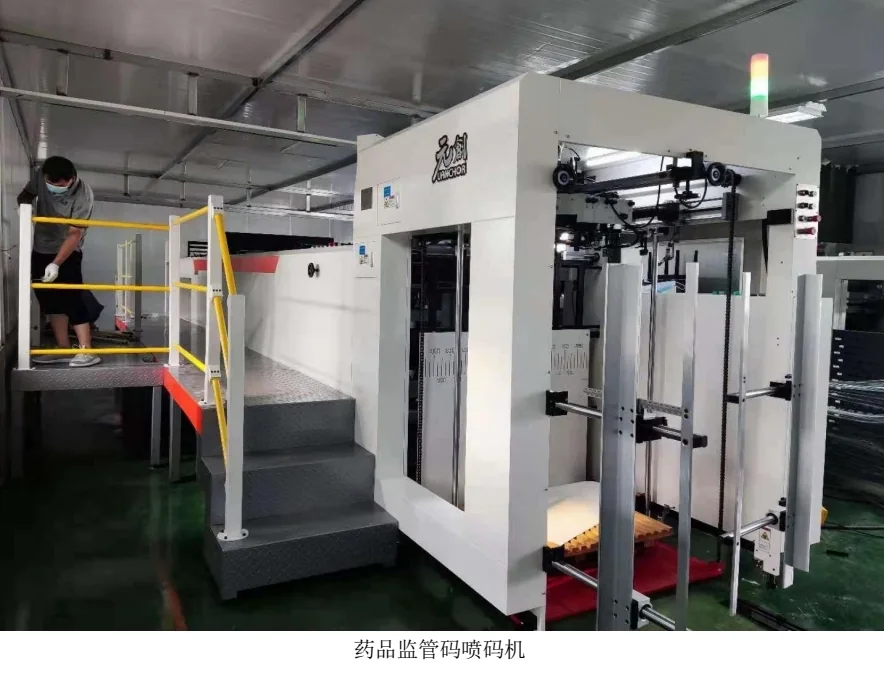
Start with client-approved artwork and coding rules. Agree on paper, layout, code area and structure before connecting printing, die-cutting, gluing, coding and code checks with the client’s traceability process.
Packaging formats to exploreCODING / PROJECT CONNECTIONS
Coding and code checks belong alongside the client’s coding rules, packaging levels and handover requirements. Agree on these connections at the start of the project.
The client confirms the source of the codes, data files, packaging levels and artwork version. For medicines, align with the marketing authorisation holder or manufacturer’s requirements.
Consider the paper surface, print and finish when placing the code, clear of folds and die-cut edges. Coding and inspection focus on complete characters, symbols and readability.
Agree on checks, exception handling, quantity reconciliation and records. Confirm capabilities, responsibilities and acceptance criteria for duplicate-code checks, aggregation or system interfaces when required.
Drug traceability codes uniquely identify sales packaging units at each level; a code for each carton does not mean a code for every tablet. Medical-device UDI follows separate rules and the registrant’s or filing entity’s confirmed requirements.
View our printing permit scope ↗A useful conversation starts with a few clear details.
 02
For takeaway drinks, retail shopping and gifts. Paper carrier bags for already-packed products bring convenient carrying and brand character together.
 03
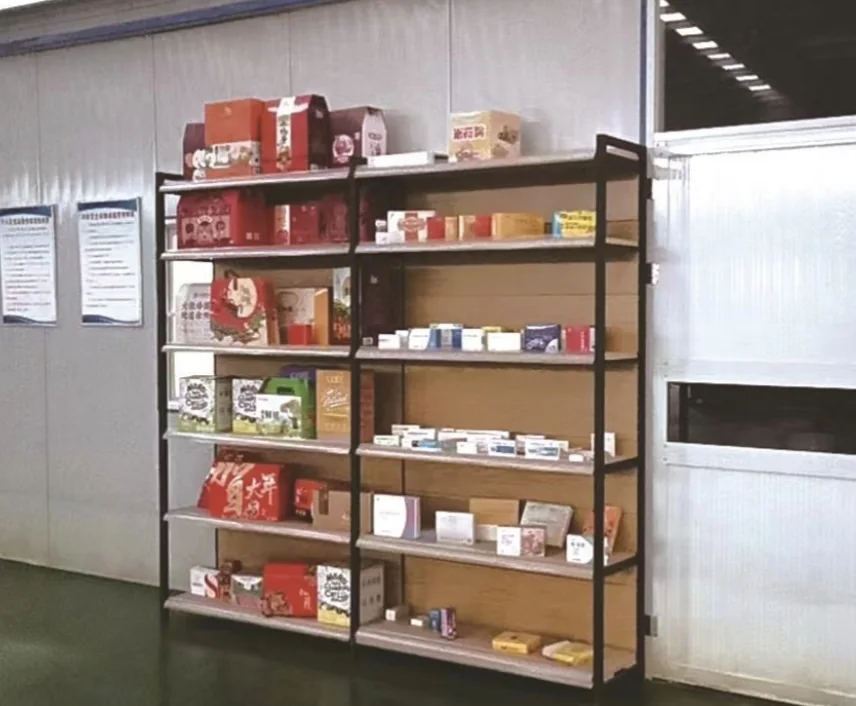
Paper cartons, tea outer boxes and gift sets designed around existing inner packaging. Clear flavour cues and a considered opening experience help the product stand out.