Pass one: content and version control
Confirm that product names, variants, dates, barcode text, and required copy are final and approved by the appropriate owners. For multilingual packaging, check that every language file maps to the correct product version.
Use filenames with a clear project name and revision identifier, and state which file is released for production. Labels such as “final” and “final-2” are too ambiguous to serve as version control.
Pass two: images, fonts, and color setup
Check that linked images are present, their effective size suits the finished format, and no fonts have been substituted or dropped. Review small type, reversed type, and fine rules at actual size.
Identify spot colors, brand colors, and critical black text settings, and include a usable color reference. If an effect depends on transparency, overprinting, or a special blend visible on screen, flag it before handoff.
Pass three: dielines and finishing instructions
Packaging artwork should clearly separate cut lines, folds, bleed, and nonprinting construction marks, with key content kept away from vulnerable trim and fold areas. The dieline, artwork, and finished dimensions must all belong to the same revision.
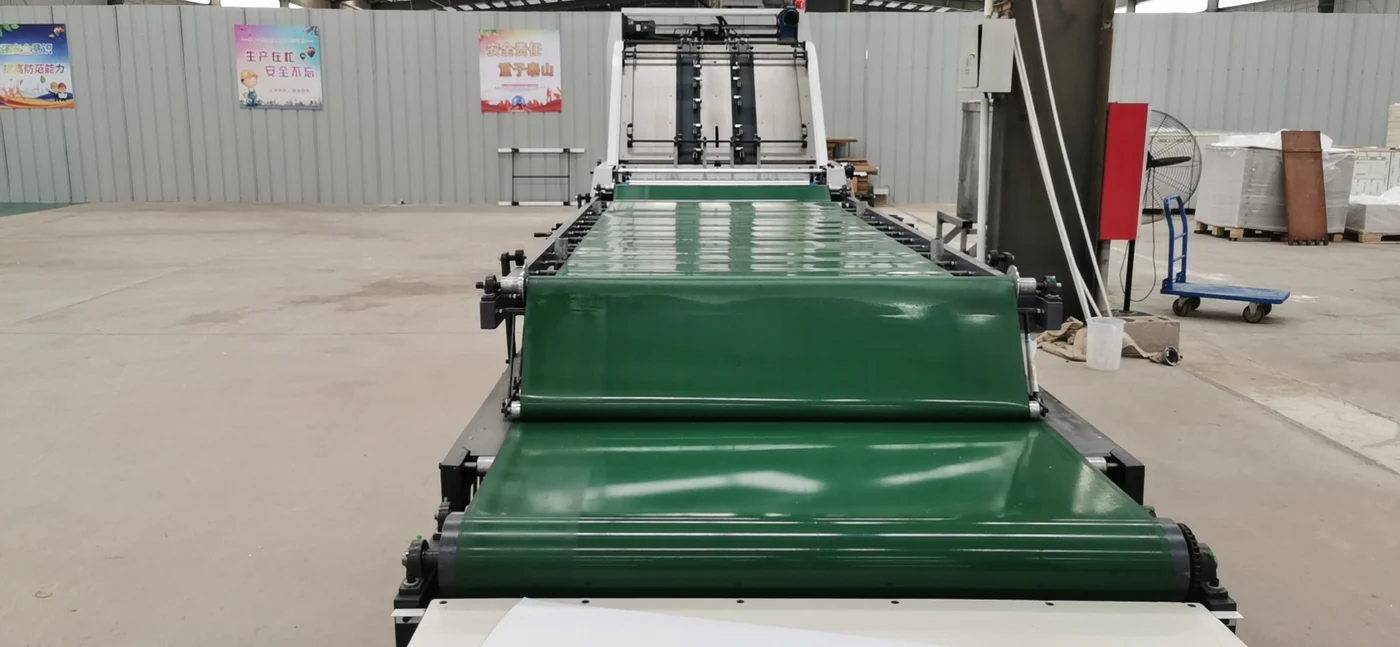
Place lamination, die-cutting, gluing, coding, and other finishing notes in a separate production instruction so they cannot be mistaken for printed artwork. Yinjia combines Fujifilm CTP prepress and several postpress processes; the exact file specification should be agreed with production at the start of each job.
Bring these ideas into your next project.
Arrange a sample discussion