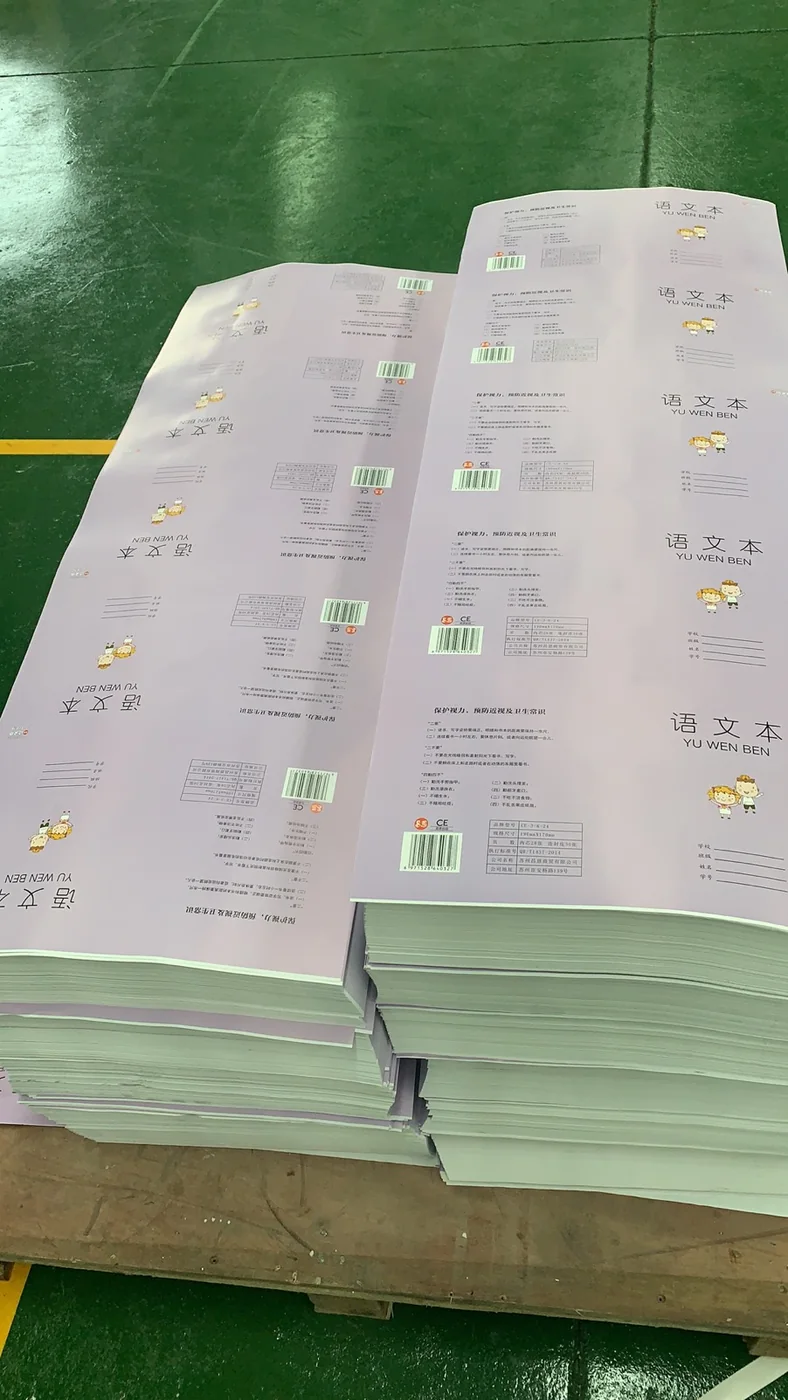

Lamination: begin with use and overall appearance
Lamination changes the visual and tactile character of a paper surface and can affect decisions in later processes. The choice should reflect the package's use, brand character, and handling experience, rather than the appearance of an isolated swatch alone.
Large dark areas, delicate gradients, and generous white space should be viewed with the intended stock and surface treatment. Yinjia operates automatic pre-coated film lamination equipment, allowing options to be discussed against the needs of a specific job.
Die-cutting: the shape begins with an accurate structure file
Die-cutting turns a flat printed sheet into a foldable package outline, so cut lines, folds, and finished dimensions must align clearly. Windows, locking tabs, and artwork near an edge deserve particular attention on a structural sample.
If a design revision changes panel dimensions or opening behavior, update both the dieline and the artwork. Changing only one file can shift graphics away from their intended position on the formed pack.
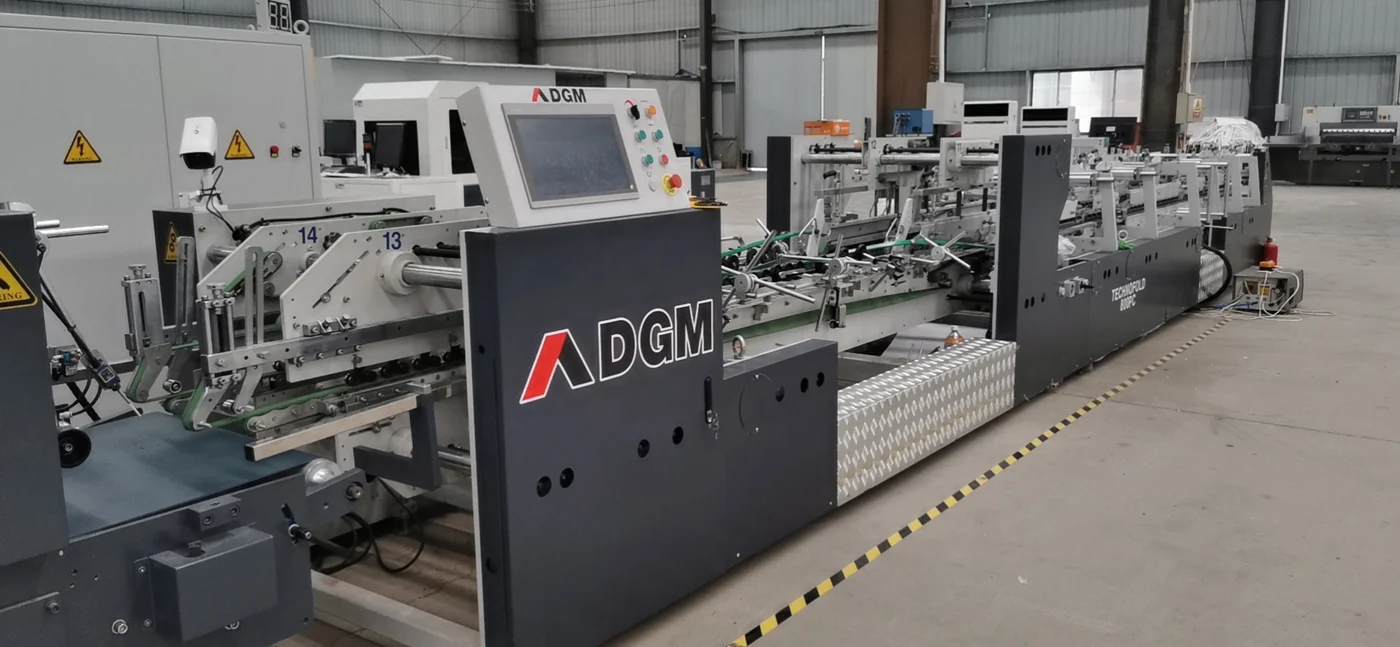
Folder-gluing: review how the formed pack is used
Folder-gluing involves more than the adhesive area; fold sequence, opening direction, and filling method also matter. During sample review, simulate the basic actions involved in filling, opening, removing the product, stacking, and transport.
Yinjia operates automatic die-cutting and folder-gluing machines, together with finished-product inspection equipment. Suitability for automated processing still depends on the combined assessment of structure, material, and job requirements.
Bring these ideas into your next project.
Arrange a sample discussion